Compassionate Eating Disorder Support From A Specialist Dietitian In Nottingham
If you are looking for support from an experienced eating disorder dietitian in Nottingham, The Riverside Dietitians provides personalised, evidence-based care for eating disorders and disordered eating. Sophie Mumby offers gentle, clinically informed support designed to help individuals and families feel safer, more confident and more supported around food and recovery.
Specialist Eating Disorder Support Tailored To You
-
HCPC-registered dietitian with over 10 years of clinical experience
-
Specialist background in psychiatric healthcare and eating disorders
-
One of very few UK dietitians with a Post Graduate Certificate in Eating Disorders
-
Experience supporting clients in both NHS and private practice settings
-
Gentle, non-judgemental and personalised approach
-
Bespoke support plans tailored to the individual
-
In-person appointments near Nottingham and online consultations available
-
Calm countryside clinic setting designed to help clients feel at ease
Speak with Sophie today on +44 7935 897304 or email sophie@theriversidedietitians.com
Understanding Eating Disorders & Disordered Eating
Eating disorders have the highest mortality rate of any mental illness. If you, or someone you care about, is struggling with eating, it is important to seek support as early as possible. Earlier intervention can significantly improve recovery outcomes and long-term wellbeing.
An eating disorder is a serious mental illness that can affect people of any age, background or gender. Eating disorders are not simply about food or body weight. They are often closely connected to emotional wellbeing, anxiety, coping mechanisms, control, trauma and self-perception.
At The Riverside Dietitians, support focuses on understanding the individual behind the eating disorder, not just the eating behaviours themselves.
Types Of Eating Disorders We Support
Anorexia Nervosa
Anorexia nervosa is characterised by a persistent restriction of food intake leading to significantly low body weight, alongside an intense fear of gaining weight and a distorted perception of body shape or size.
Even when medically underweight, individuals may struggle to recognise the seriousness of their condition. Restriction may involve:
-
Severe dieting
-
Food avoidance
-
Excessive exercise
-
Binge and purge behaviours
Anorexia can lead to serious medical complications including heart issues, nutritional deficiencies and bone loss.


Bulimia Nervosa
Bulimia nervosa involves recurrent episodes of binge eating followed by compensatory behaviours such as:
-
Vomiting
-
Excessive exercise
-
Fasting
-
Laxative misuse
People with bulimia are often within a typical weight range, which can make the condition less visible to others despite significant physical and emotional distress.
Binge Eating Disorder
Binge Eating Disorder, often referred to as BED, involves recurrent episodes of eating large quantities of food while feeling out of control.
Episodes are often followed by:
-
Shame
-
Guilt
-
Emotional distress
-
Eating in secret
-
Rapid eating
BED is one of the most common eating disorders and can significantly affect both mental and physical health.


Avoidant Restrictive Food Intake Disorder (ARFID)
ARFID differs from other eating disorders because food restriction is not driven by body image concerns.
Instead, restriction may stem from:
-
Sensory sensitivities
-
Fear of choking or vomiting
-
Limited interest in eating
-
Anxiety around textures or smells
ARFID can result in nutritional deficiencies, weight loss and impaired growth or development.
Other Specified Feeding Or Eating Disorder (OSFED)
OSFED is diagnosed when someone experiences significant eating disorder symptoms but does not meet the full criteria for anorexia, bulimia or binge eating disorder.
Examples may include:
-
Atypical anorexia
-
Purging without binge eating
-
Mixed eating disorder behaviours
Importantly, OSFED can be just as serious as other eating disorders.

Support For Disordered Eating
Eating disorders have strict diagnostic criteria, but many people still struggle with eating behaviours that cause distress without meeting a formal diagnosis.
Disordered eating can still have serious consequences for:
-
Physical health
-
Mental wellbeing
-
Daily functioning
-
Relationships with food
-
Self-esteem and confidence
This may include:
-
Restrictive eating patterns
-
Food guilt
-
Obsessive calorie tracking
-
Fear around eating
-
Binge-restrict cycles
-
Irregular eating habits
Many individuals with disordered eating struggle to access NHS support because they do not meet diagnostic thresholds. The Riverside Dietitians supports people experiencing disordered eating regardless of weight, BMI, age or gender.
You do not need to be “unwell enough” to deserve support.
Gentle, Personalised Support Throughout Recovery
Sophie Mumby has extensive experience supporting individuals with eating disorders and disordered eating in both inpatient and outpatient settings across the NHS and private practice.
She also has lived experience supporting a loved one with an eating disorder, giving her a deeper understanding of how eating disorders affect not only the individual, but their families and support networks too.
She understands that recovery is never as simple as:
“Just eat more.”
Every person’s experience is different, which is why all support is fully personalised and adapted to your individual needs, goals and circumstances.
The approach at The Riverside Dietitians is:
-
Gentle but effective
-
Structured without being overwhelming
-
Realistic and manageable
-
Focused on sustainable progress
-
Built around trust and understanding
Support may include:
-
Meal structure guidance
-
Nutritional rehabilitation
-
Reducing fear around food
-
Building confidence with eating
-
Practical recovery strategies
-
Ongoing accountability and support
-
Family guidance where appropriate
Whether you need regular structured support or occasional recovery check-ins years later, Sophie is here to support you at every stage of recovery.

Why Specialist Dietetic Support Matters
Eating disorders affect both physical and psychological health. Working with a specialist dietitian can help ensure nutritional recovery is approached safely, compassionately and realistically.
Support from a qualified dietitian may help:
-
Restore nutritional adequacy
-
Improve energy levels and concentration
-
Reduce anxiety around food
-
Improve digestive comfort during recovery
-
Support healthier eating routines
-
Rebuild trust with food and eating
As a HCPC-registered dietitian with psychiatric experience, Sophie combines:
-
Clinical expertise
-
Behavioural understanding
-
Emotional sensitivity
-
Evidence-based nutrition support
For additional information about eating disorders and treatment pathways, visit:
A Calm & Supportive Clinic Environment
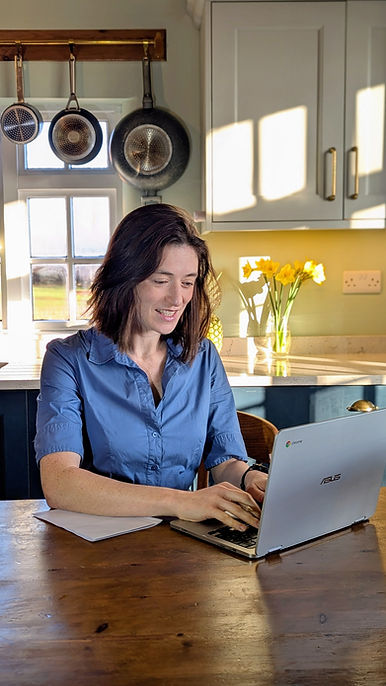
Appointments take place at Lowes Farm House in Burton Joyce, just outside Nottingham. The countryside setting offers a calm, private and welcoming environment designed to help clients feel more comfortable during appointments.
Many people seeking eating disorder support feel anxious about reaching out. The clinic environment has been intentionally designed to feel supportive, relaxed and non-clinical.

Support Available Across Nottinghamshire & Beyond
The Riverside Dietitians supports clients across:
-
Nottingham
-
Nottinghamshire
-
Burton Joyce
-
West Bridgford
-
Gedling
-
Newark
-
Lincolnshire
Online consultations are also available across the UK for clients who prefer remote support.
Common Questions About Eating Disorder Support
Take The First Step Towards Support
Reaching out for help with an eating disorder or disordered eating can feel overwhelming, but you do not have to go through it alone. The Riverside Dietitians provides compassionate, specialist support designed around your needs, your pace and your recovery journey.
Whether you are seeking support for yourself or someone you care about, Sophie is here to help you feel heard, supported and understood.
Call: +44 7935 897304
